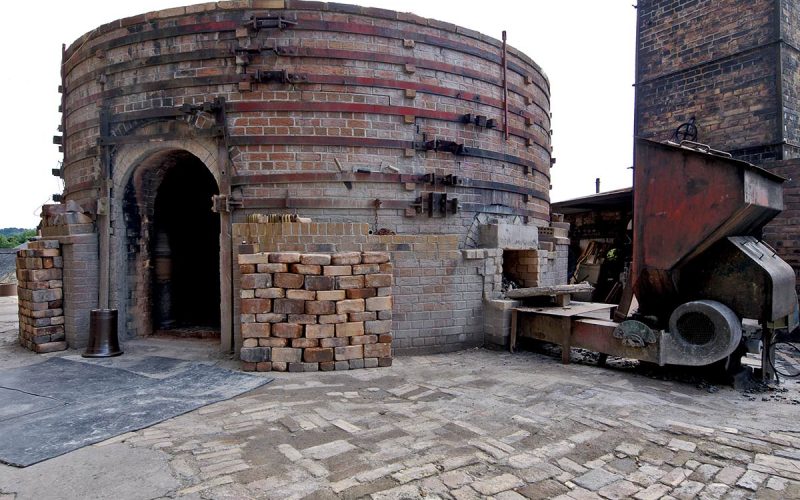
A kiln is a high-temperature oven or furnace used to harden, fire, or dry materials through a controlled heating process. Kilns have been used for thousands of years across many industries — from baking bricks and producing cement to firing pottery and melting glass. For ceramic and glass artists, the kiln is arguably the most essential piece of equipment in the studio, transforming raw, fragile materials into finished, durable works of art.
How kilns work
At their core, kilns function by generating and sustaining high temperatures within an insulated chamber. Heat causes physical and chemical changes in the materials being fired — clay hardens and vitrifies, glazes melt and fuse to ceramic surfaces, and glass softens or melts depending on the technique being used. The temperature, duration, and atmosphere inside the kiln all play a crucial role in determining the final outcome of a piece. Modern kilns are typically powered by electricity or gas and are equipped with digital controllers that allow artists to programme precise firing schedules.
Types of kilns used in ceramics
Ceramic artists work with several different kiln types, each suited to specific techniques and outcomes. Electric kilns are the most common choice for studio potters due to their ease of use, consistency, and relatively low cost. Gas kilns, on the other hand, allow for atmospheric firing — a technique where the flame and combustion gases interact directly with the clay and glazes to create unique, often unpredictable surface effects. Wood-fired kilns, such as the anagama and noborigama styles, are favoured by artists seeking rich textures and natural ash deposits that form distinctive patterns on the surface of each piece. Raku kilns are smaller and designed for rapid firing and cooling, a process that produces dramatic crackle effects and metallic lustre.
Kilns in glass art
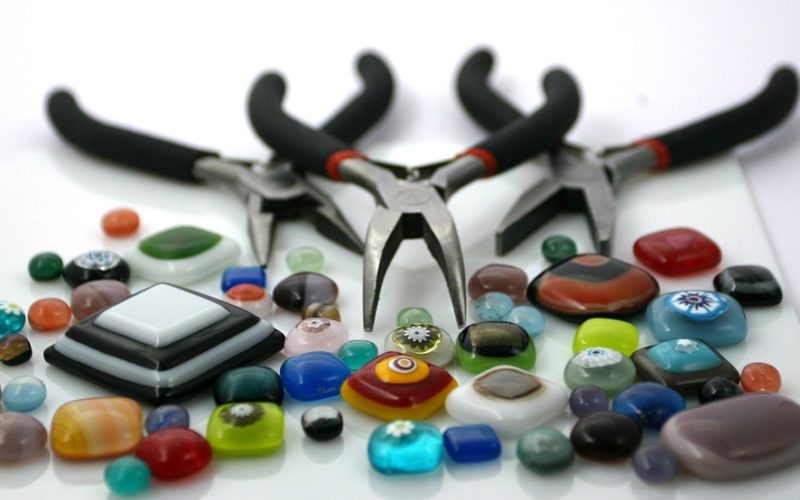
Glass artists rely on kilns for a range of techniques that differ considerably from ceramics. Kiln-forming, which includes processes such as fusing, slumping, and casting, involves placing glass into a kiln and carefully controlling the temperature to achieve a desired result. In fusing, separate pieces of glass are heated until they bond together. Slumping uses gravity to shape glass over or into a mould at lower temperatures, while casting involves melting glass into a prepared mould to create sculptural three-dimensional forms. Each technique requires a specific temperature range and a carefully managed cooling process known as annealing, which relieves internal stress in the glass and prevents cracking.
Understanding kiln temperatures
Temperature control is critical in both ceramics and glass work. Ceramic firing temperatures vary widely depending on the clay body and glaze being used. Earthenware is typically fired between 1,000°C and 1,150°C, whilst stoneware and porcelain require higher temperatures ranging from 1,200°C to 1,400°C. Glass fusing generally takes place between 750°C and 900°C, with annealing occurring at much lower temperatures, typically around 500°C to 600°C. Digital kilns make it straightforward to programme and monitor these temperatures precisely, though experienced artists often develop an intuitive understanding of how their kiln behaves over time.
Choosing the right kiln
Selecting a kiln depends on the type of work being produced, the available studio space, and budget. Electric kilns are a practical starting point for most beginners and offer clean, consistent results with minimal setup. Artists interested in atmospheric effects or larger-scale production may eventually invest in gas or wood-fired kilns, which require more space, ventilation, and technical knowledge to operate safely. For glass artists, purpose-built glass kilns with top-opening lids and fibre insulation are generally preferred over standard ceramic kilns, as they offer more even heat distribution across flat work.
The kiln as a creative partner
For many ceramic and glass artists, the kiln is far more than a technical tool — it is an active participant in the creative process. The unpredictability of atmospheric firing, the way heat moves through a chamber, and the subtle variations between firings all contribute to outcomes that cannot be entirely controlled or replicated. This element of surprise is something many artists actively embrace, allowing the kiln to leave its own mark on the finished work. Understanding how different kilns behave, and learning to work with rather than against their characteristics, is a skill that develops over years of practice.